Fitness & movement · Taurus-inspired consistency
Taurus Endurance and Strength Training: A Workout Guide
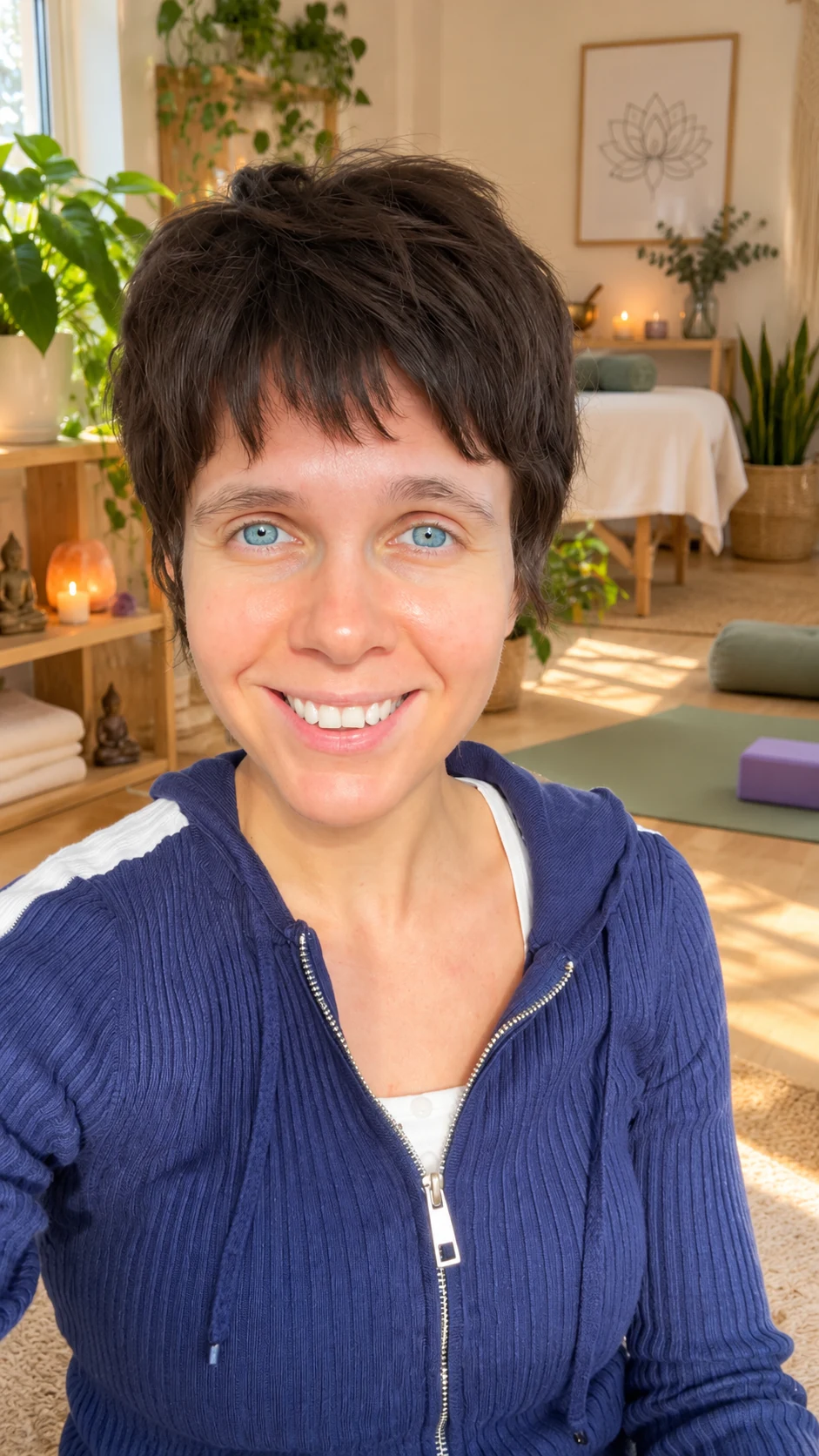
A steady routine can give you a place to begin and a reason to return. This Taurus-inspired guide combines full-body strength exercises with comfortable endurance work. At Soul Food Fitness, Rozzebud helps connect patient practice with confidence, recovery and a rhythm that fits your life.
The Taurus approach: grounded, patient and consistent
In astrology, Taurus is traditionally associated with the earth element and a steady, persistent approach. Use that symbolism as a reminder to practise patiently, choose a routine you enjoy and build from a solid foundation.
Your zodiac sign does not determine your physical ability, exercise needs or health. This is a general adult fitness guide that anyone can adapt, regardless of their sign. Your experience, comfort, recovery and available equipment guide the workout.
Your starting point
Plan for two full-body strength sessions on non-consecutive days, plus two or three comfortable walks or cycling sessions. Allow roughly 30–40 minutes for a strength session, including preparation and recovery. You will need a stable chair placed against a wall, a wall or sturdy counter, a mat, and an optional light dumbbell for rows.
Start with bodyweight or light resistance. Each repetition should feel controlled; finish a set while you could still do about two or three more good repetitions. Take extra rest whenever you need it. The written plan works on its own; Rozzebud’s YouTube demonstrations will be added here when they are ready.
Warm up before you build
Spend about five minutes easing into movement: one minute of comfortable marching or walking, then gentle shoulder circles, ankle movements, unloaded hip hinges and a few easy chair sit-to-stands. Move within a comfortable range and let the warm-up prepare you rather than tire you out.
Your six-exercise strength foundation
Complete the exercises in order, finishing your set or sets of each exercise before moving on. Begin with one set of each exercise; progress to two sets only when comfortable. Rest about 60–90 seconds between sets, or longer until you feel ready. Quality of movement matters more than speed.
Chair squat / sit-to-stand
1–2 sets · 8–12 repetitions
Place a sturdy chair against a wall. Keep your feet planted, lean slightly forward from the hips and stand tall. Sit back down with control rather than dropping onto the seat.
Make it easier: Choose a higher seat or use your hands for gentle assistance. If this movement does not suit you, leave it out and ask for an individual alternative.
▶ Video coming soonSupported dumbbell row
1–2 sets · 8–12 repetitions per side
Support one hand on a sturdy counter, hinge comfortably and keep your back long. With a light weight in the other hand, draw your elbow toward your hip without twisting. Lower slowly.
Make it easier: Use a lighter weight and a shorter comfortable range. If no weight is available, practise the movement unloaded; it will offer less resistance.
▶ Video coming soonGlute bridge
1–2 sets · 8–12 repetitions
Lie on your back with knees bent and feet on the floor. Gently brace, press through your feet and lift your hips only as far as comfortable without arching your lower back. Lower with control.
Make it easier: Use a smaller lift, or keep your hips on the mat and gently squeeze then relax your glutes.
▶ Video coming soonWall or counter push-up
1–2 sets · 8–12 repetitions
Place your hands on a stable wall or counter. Keep your body aligned, bend your elbows to bring your chest toward the surface and press away. Breathe steadily.
Make it easier: Use a wall and stand closer to it. Use a surface that cannot slide or tip.
▶ Video coming soonDead bug heel tap
1–2 sets · 6–8 repetitions per side
Lie on your back, gently brace and raise your bent knees if comfortable. Lower one heel toward the floor, return, then alternate. Keep the movement small enough to avoid arching your back; breathe throughout.
Make it easier: Keep both feet on the floor and slowly slide one heel away, then return it. Shorten the slide if needed.
▶ Video coming soonSupported calf raise
1–2 sets · 8–12 repetitions
Stand on level ground with fingertips on a wall or stable counter. Rise onto the balls of your feet and lower slowly. Keep your movement smooth and use the support for balance.
Make it easier: Try seated heel raises with both feet on the floor, lifting your heels within a comfortable range.
▶ Video coming soonBuild endurance at a steady pace
Start with a 10–15 minute walk or comfortable cycle if that fits your current ability. Use an easy pace for the first few minutes. For a moderate effort, aim for a pace where you can talk but singing would be difficult. If that feels too much, slow down or take a break.
If continuous movement is challenging, alternate one or two minutes of comfortable movement with a minute of easier movement or rest. Over time, increase your total moving time in small steps. This starter routine is a foundation; it is not yet the full weekly aerobic activity target.
General adult guidance recommends at least 150 minutes of moderate aerobic activity weekly and strength work on at least two days. Build toward that gradually according to your ability and circumstances. These short starter sessions are not yet the full weekly aerobic activity target.
A weekly rhythm you can return to
Use this as an example, not a fixed rule. Keep a recovery day between the two strength sessions and adjust your endurance time to your starting point.
- MondayStrength foundation · warm-up, six exercises and an easy cooldown
- Tuesday10–20 minute walk or cycle at a comfortable pace
- WednesdayRest or a short, gentle movement break
- ThursdayStrength foundation · repeat Monday’s plan
- Friday10–20 minute walk or cycle, with breaks as needed
- SaturdayOptional easy walk · choose a length you can comfortably recover from
- SundayRest, reflect and plan the coming week
Progress patiently over four weeks
Week 1 — Learn your rhythm: practise one set of each exercise and a manageable amount of endurance work. Note what feels comfortable and which alternatives help.
Week 2 — Repeat before adding: if you recover well, try a second set for some or all exercises. Otherwise, repeat week one. Add a little endurance time only if you feel ready.
Week 3 — Choose one small change: add one or two repetitions within the listed range, a small amount of resistance, or a little endurance time. Avoid increasing everything together.
Week 4 — Consolidate: keep the routine consistent and notice your control, comfort and recovery. When the top of the repetition range feels comfortable with good form on repeated sessions, consider a small resistance increase and return toward the lower end of the range.
Finish with recovery, not a rush
Spend three to five minutes walking slowly, then try gentle calf, chest or hip stretches if comfortable. Keep stretches easy, without bouncing, and breathe normally. Track one useful detail after each session: your repetitions, the option you chose or how well you recovered.
Choose exercises appropriate to your current ability. Stop if you feel sharp pain, dizziness or unusual symptoms. If a health condition, injury, pregnancy or recent surgery affects your exercise choices, ask a qualified healthcare professional about suitable activity before following this general guide.
Move with Rozzebud: upcoming YouTube videos
This space is ready for future demonstrations and follow-along sessions. No videos are published here yet. Each exercise above also has its own space for a demonstration.
Five-minute grounding warm-up
Planned demonstration: marching, shoulder and ankle movements, hip hinges and easy chair squats.
▶ Video coming soonTaurus full-body strength session
Planned follow-along: the six exercises below, with easier options, set guidance and rest breaks.
▶ Video coming soonSteady endurance: pace and posture
Planned demonstration: walking pace, the talk test and a simple walk–recover interval.
▶ Video coming soonGentle cooldown and recovery
Planned follow-along: easy walking, comfortable stretches and relaxed breathing.
▶ Video coming soonTraining references
The strength and endurance guidance uses general adult activity recommendations. The Taurus theme is a creative motivation tool; it does not determine your physiology or replace an individual training assessment.
CDC: Adding physical activity as an adult ↗CDC: Activity intensity and strength guidance ↗